From June 25 to July 5, 2025, the Worldwide Energy University Network (WEUN) successfully held the 2025 “Future Energy Leaders” Summer Camp in Beijing. Organized by the WEUN Chair Institution, China University of Petroleum-Beijing (CUP), the camp attracted over 60 youth representatives from 21 member universities across 15 countries, including China, the United States, the United Kingdom, France, Portugal, Moldova, Russia, Brazil, India, Azerbaijan, Kazakhstan, Malaysia, Vietnam, Nigeria and Iran.

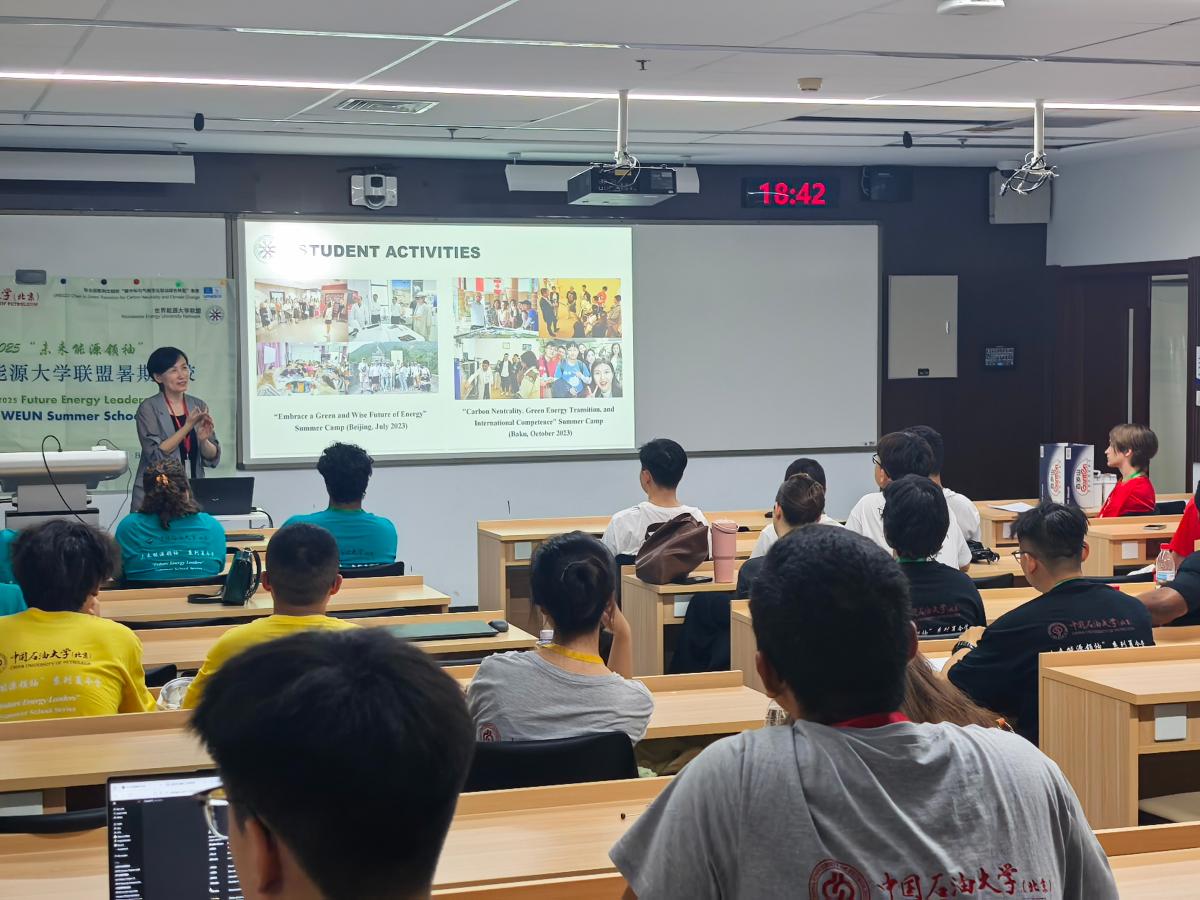
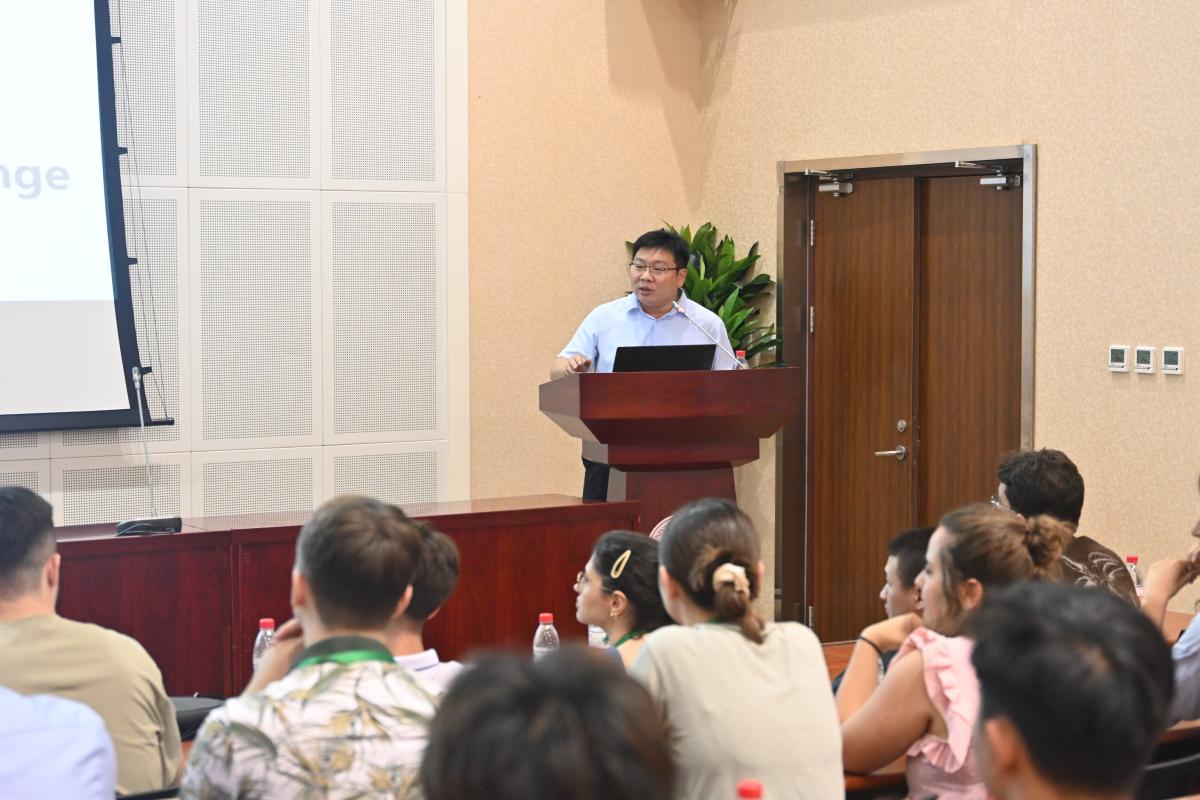
At the opening ceremony, Zhang Guangqing, Secretary General of the WEUN, emphasized that this summer camp brought together outstanding youth in the energy sector, which provided an important opportunity to deepen collaboration among member universities and to jointly shape the future energy landscape. He encouraged the participants to make the most of this opportunity to gain in-depth insights into global energy transition, exchange ideas actively, and develop friendships across the borders, thereby contributing their wisdom to addressing global energy challenges.
CUP had carefully arranged the schedule centered on sustainable energy development. The participants attended a series of high-level academic lectures delivered by renowned experts and academicians, covering topics such as the application and prospects of artificial intelligence in the energy sector and energy strategies and cutting-edge achievements in the context of energy transition. They also had opportunities for in-depth discussions with the experts. In addition to the academic activities, this camp included technical visits to Xiaomi Auto Super Factory, iFlytek’s headquarters, and Daxing International Hydrogen Energy Demonstration Zone. These visits allowed participants to witness the advancements in intelligent manufacturing, AI applications, and hydrogen energy research and development project.


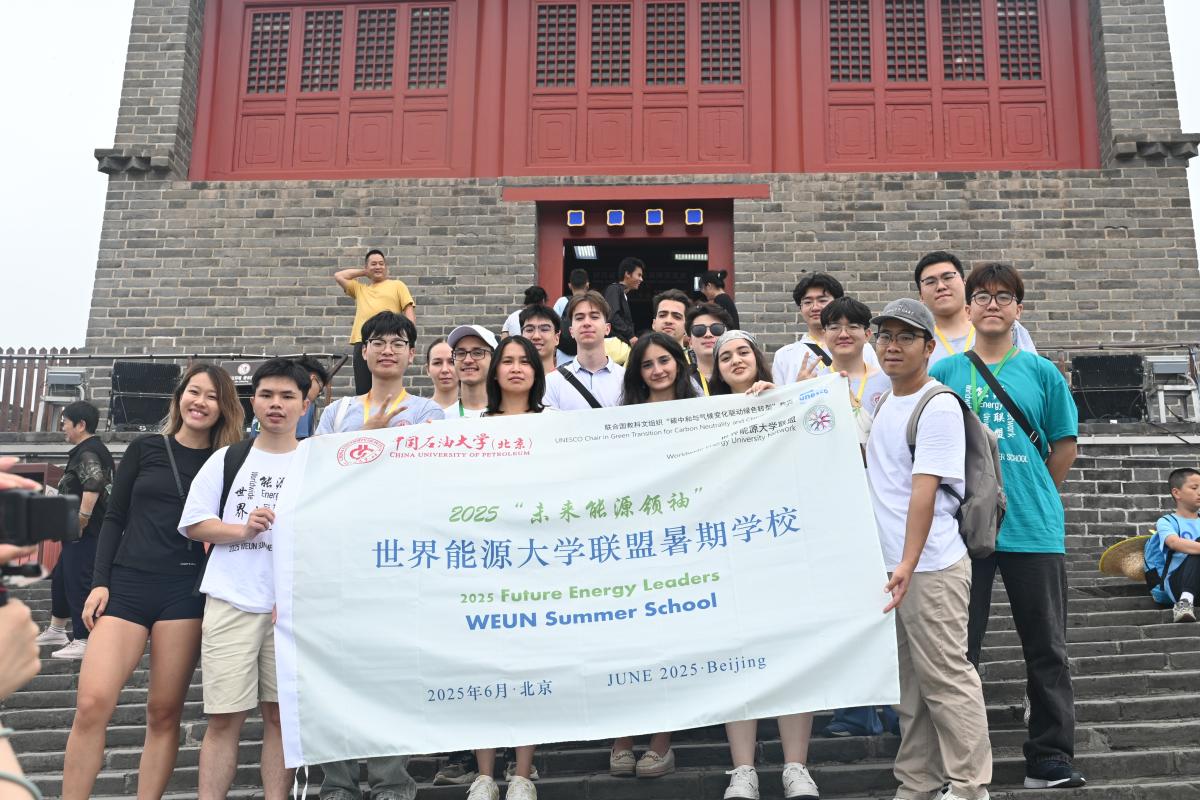
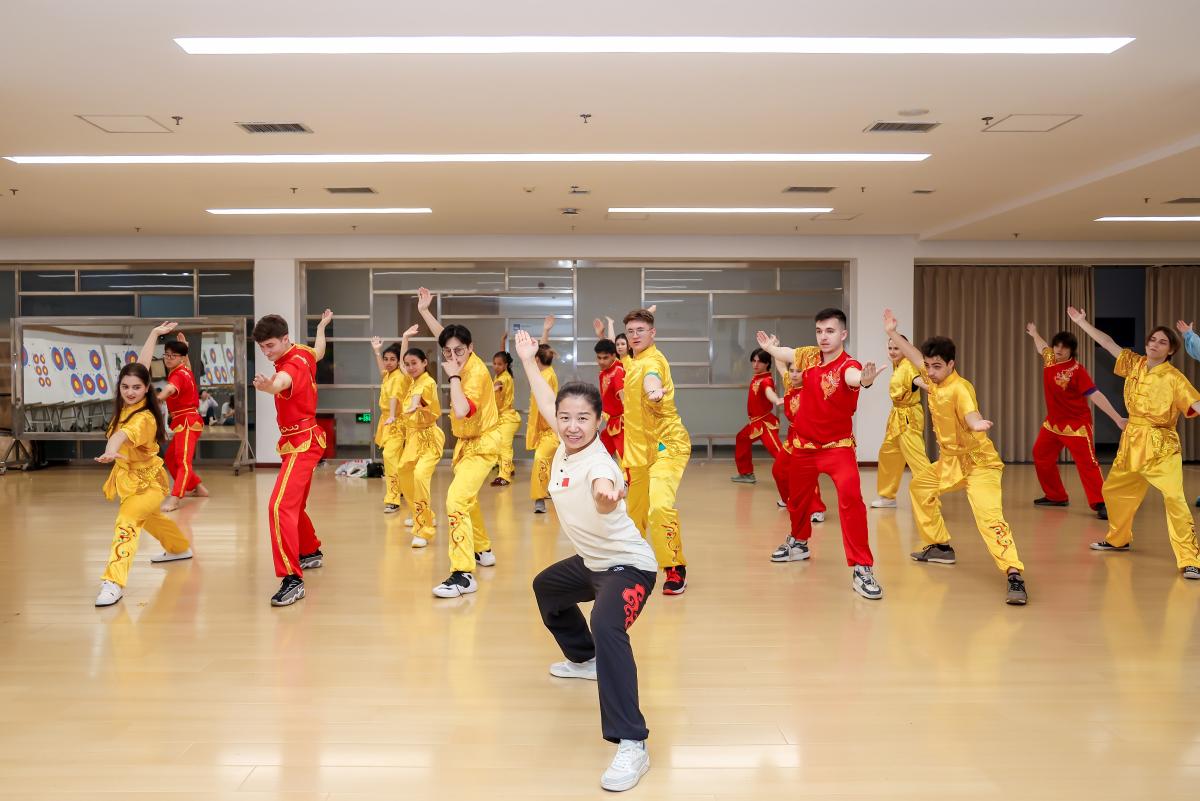
This camp also featured rich cultural experiences, such as traditional Chinese martial arts, calligraphy, paper-cutting, and explorations of historical sites such as the Forbidden City and the Great Wall. All of these fostered mutual understanding and promoted cross-cultural friendships among the participants.
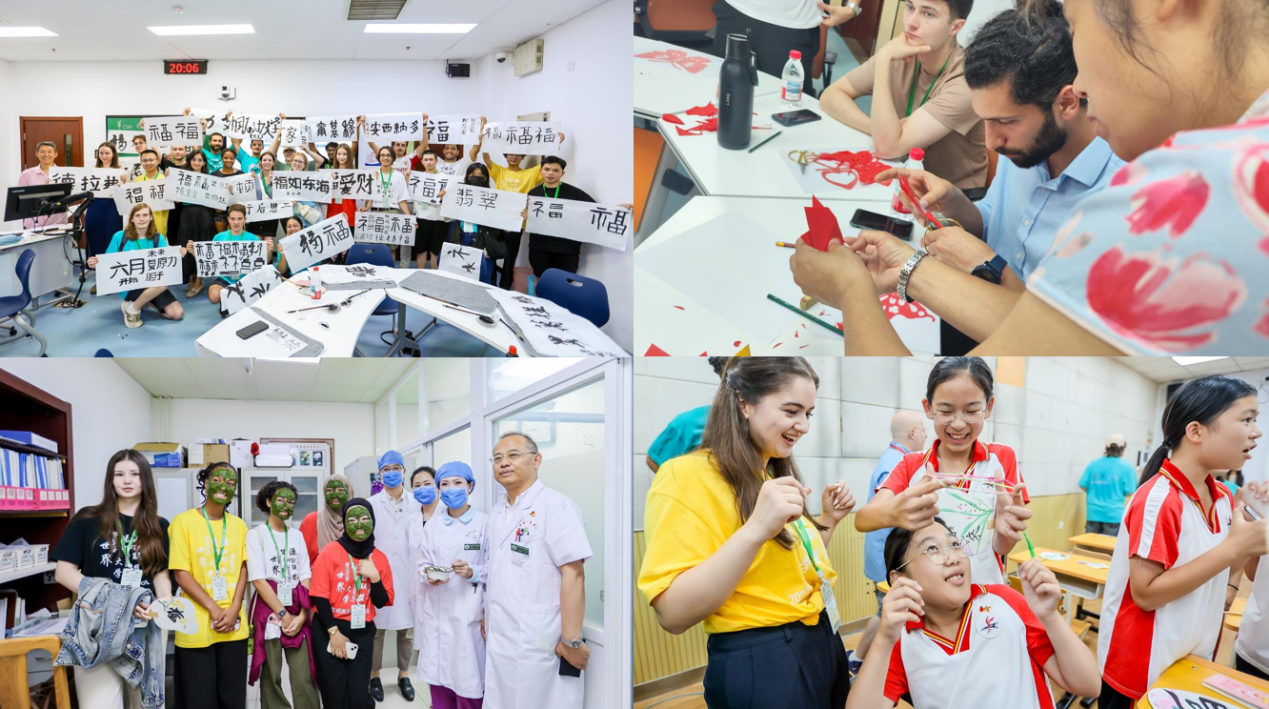
As one of WEUN’s brand projects, the summer camp provided a unique opportunity for young students to delve into the latest developments in energy through academic exchanges, enterprise visits, and cultural activities. It also helped build consensus on the future energy. Furthermore, the successful of the camp further strengthened WEUN’s role as a platform for promoting global youth exchanges, mutual learning, and deeper understanding of energy transition.
Looking ahead, the WEUN will continue to leverage its global network to expand collaborative initiatives, including joint research, student exchanges, and seasonal camps. By integrating cutting-edge technologies with practical needs and enriching the content of its activities, WEUN aims to provide a more robust resource-sharing platform for faculty and students from member universities. Through these efforts, WEUN is committed to cultivating well-rounded energy talents with a global perspective and contributing to the vision of a shared future for global energy development.

